
Table of Contents
Mastering the Art of Sourdough Bread
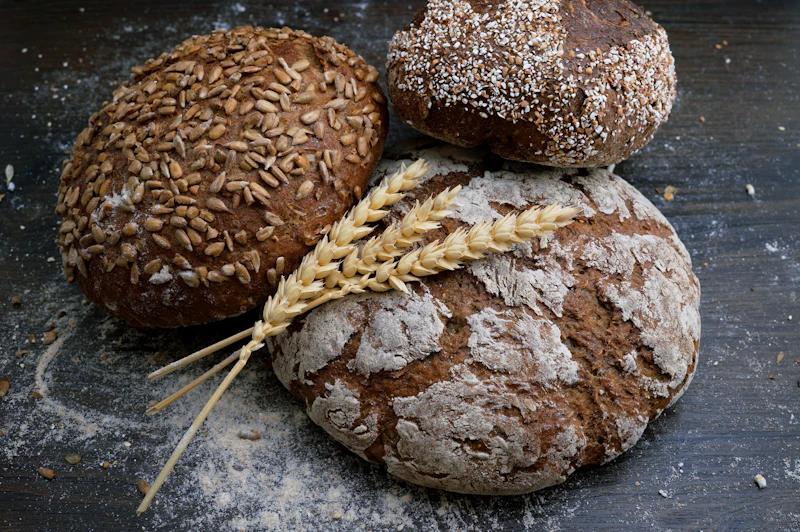
Baking sourdough is less of a recipe and more of a relationship. Unlike quick breads that rely on chemical leaveners like baking powder, sourdough requires a living starter—a wild ecosystem of yeast and bacteria that you must feed and nurture daily.
The Three Pillars of a Great Loaf
While variables like ambient temperature and humidity play huge roles, keeping these three core concepts in mind will drastically improve your baking game:
- Starter Activity: Always mix your dough when your starter is at its peak rise, typically 4 to 6 hours after feeding.
- The Stretch and Fold: Instead of traditional heavy kneading, use intermittent stretches and folds during bulk fermentation to build a strong gluten structure gently.
- Steam Creation: Baking inside a preheated Dutch oven traps the moisture releasing from the dough, allowing the bread to achieve maximum rise before the crust sets.
Don't be discouraged if your first few attempts look like frisbees. Every failed loaf is just delicious toast in waiting, and a lesson for your next bake.
No comments:
Post a Comment